Have you ever looked at a litter of kittens and wondered how they could all come from the same mother?
One litter can include black, gray, orange, cream, tabby, tortoiseshell, calico and white-spotted kittens—all with different markings and appearances. The answer can be found in feline genetics.
Black and Orange Are the Foundation
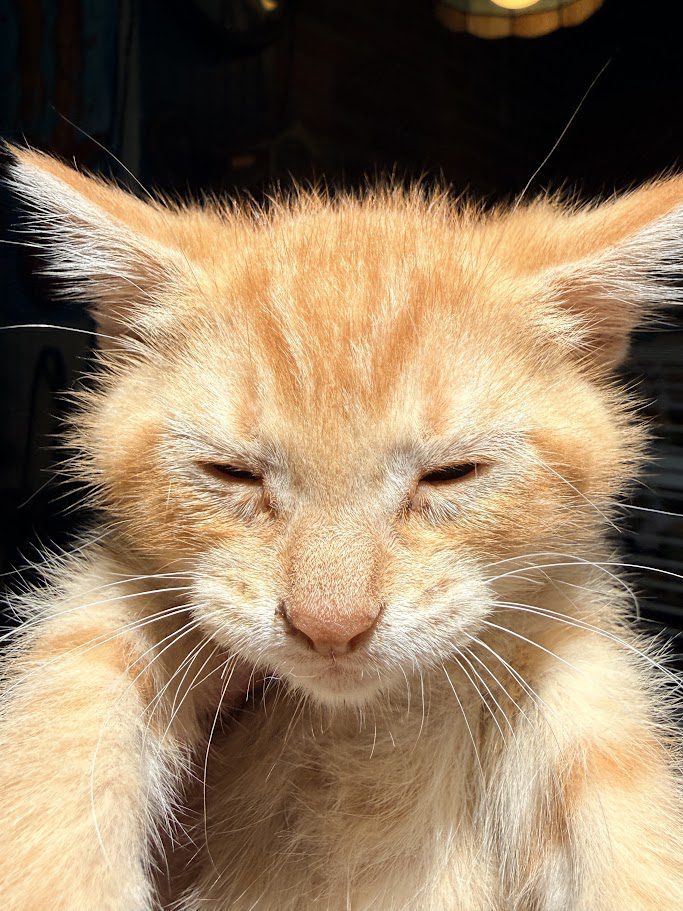
Black and orange are two of the major underlying colors in domestic cats. The gene responsible for orange coloring is carried on the X chromosome.
Because males typically have only one X chromosome, they need just one copy of the orange gene to be orange. Females typically have two X chromosomes, allowing them to inherit both orange and non-orange coloring. This is why orange cats are more commonly male, while tortoiseshell and calico cats are overwhelmingly female.
Gray Cats Are Diluted Black Cats
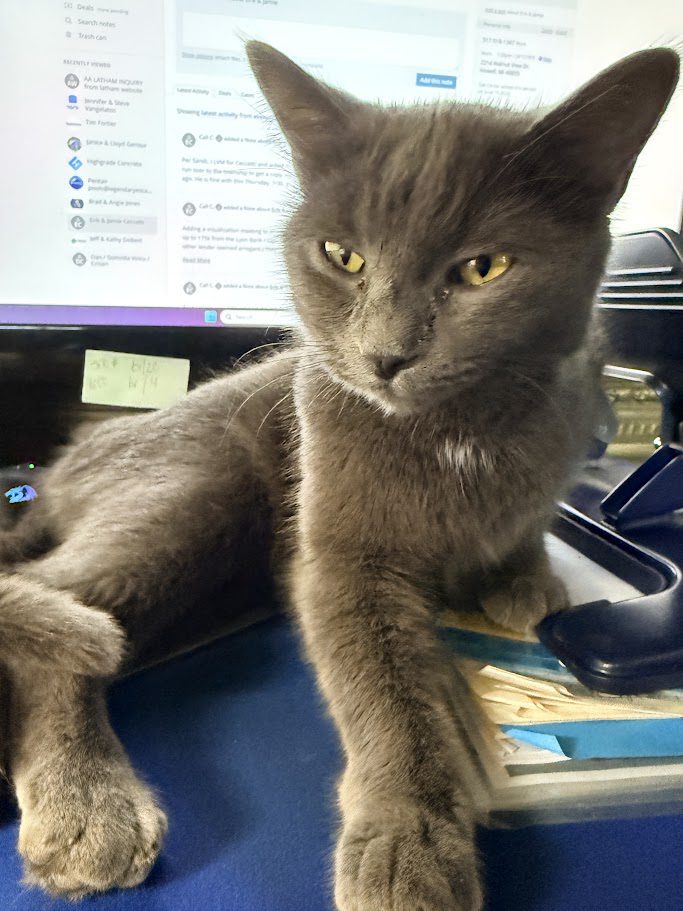
In feline genetics, the color commonly called gray is known as “blue.” It is created when a cat inherits two copies of a recessive dilution gene that changes the appearance of its underlying color.
Dilution can turn:
- Black into blue or gray
- Orange into cream
- Brown into lilac in certain breeds and genetic combinations
Tabby Is a Pattern
Tabby describes a coat pattern rather than one specific color. Cats can be brown, gray, orange, cream or other colors while also displaying tabby markings.
Tabby patterns may appear as stripes, swirls, spots or bands. Even solid-colored cats can carry genes associated with tabby markings, although those patterns may not be visibly expressed.
How Cats Get White Markings
White-spotting genes can interrupt the distribution of color across a cat’s coat. This may produce anything from a few white toes or a small chest patch to large areas of white fur.
That is why siblings may share the same underlying color but have completely different white markings.
Recessive Genes Can Remain Hidden
A mother and father do not need to visibly display every color that appears in their kittens. Cats can carry recessive genes without showing them.
When a kitten inherits the right combination from both parents, a color or trait that has remained hidden for generations may suddenly appear.
Can Kittens in the Same Litter Have Different Fathers?
Yes. A female cat can mate with more than one male during the same heat cycle. If multiple eggs are fertilized by different males, kittens in the same litter can have different fathers.
This is called superfecundation, and it can add even more genetic variety to a litter.
However, appearance alone usually cannot confirm whether kittens have different fathers. Feline coat genetics are complex enough to produce an exceptionally diverse litter from the same two parents.
Every Litter Is Unique
A black mother cat could potentially produce black, gray, tabby or white-marked kittens, along with other possibilities, depending on the genes she carries and those contributed by the father—or fathers.
Every litter is its own tiny genetic lottery. Watching the kittens’ colors, markings and personalities emerge as they grow is one of our favorite parts of caring for them at Legendary Acres Animal Rescue. ❤️
Interested in welcoming a rescue cat or kitten into your family? Complete our adoption application to begin the process.