🦤 Emu Quick Facts 🦤
- Native to Australia 🇦🇺
- Second-largest bird: 5–6.2 ft tall, 66–121 lbs
- Flightless but can run up to 30 mph 🏃♂️
- Lifespan: 10–20 years ⏳
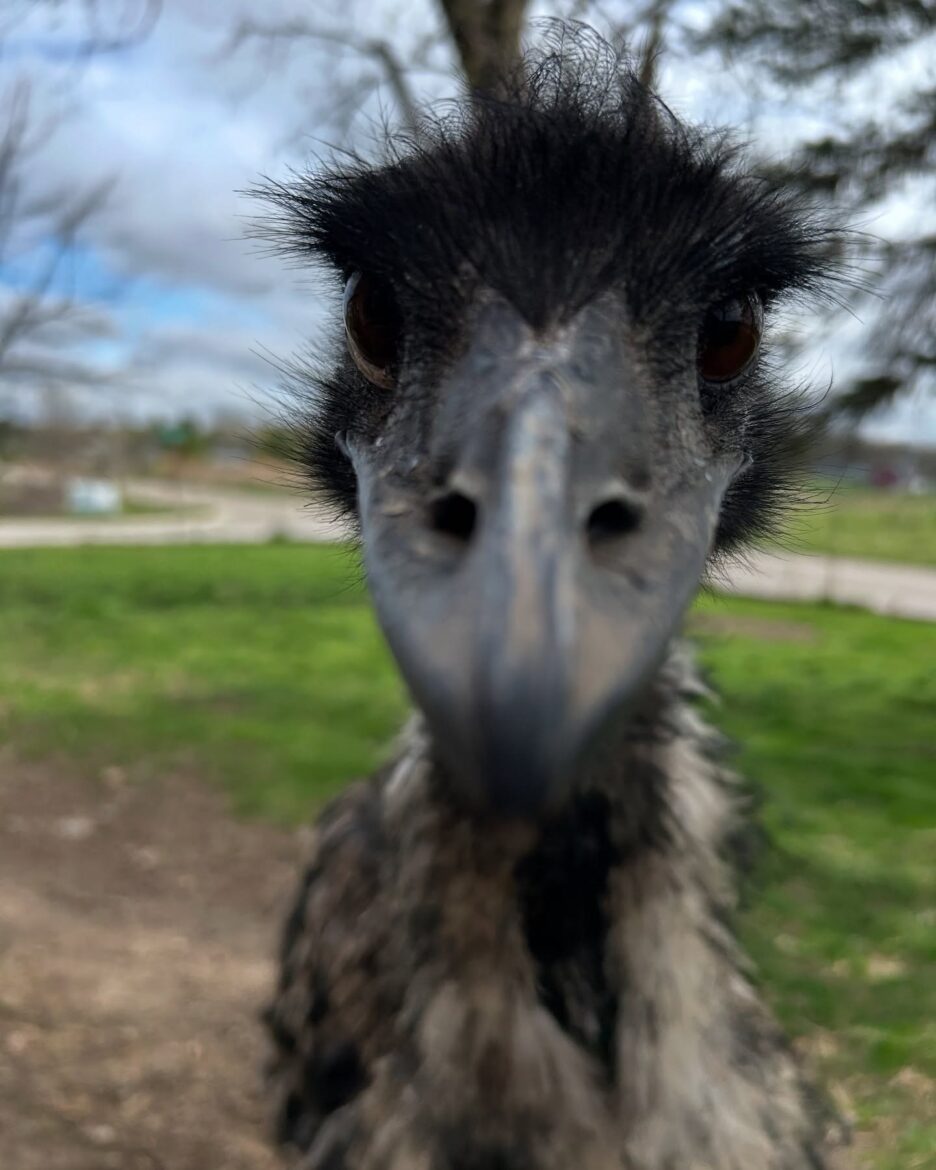
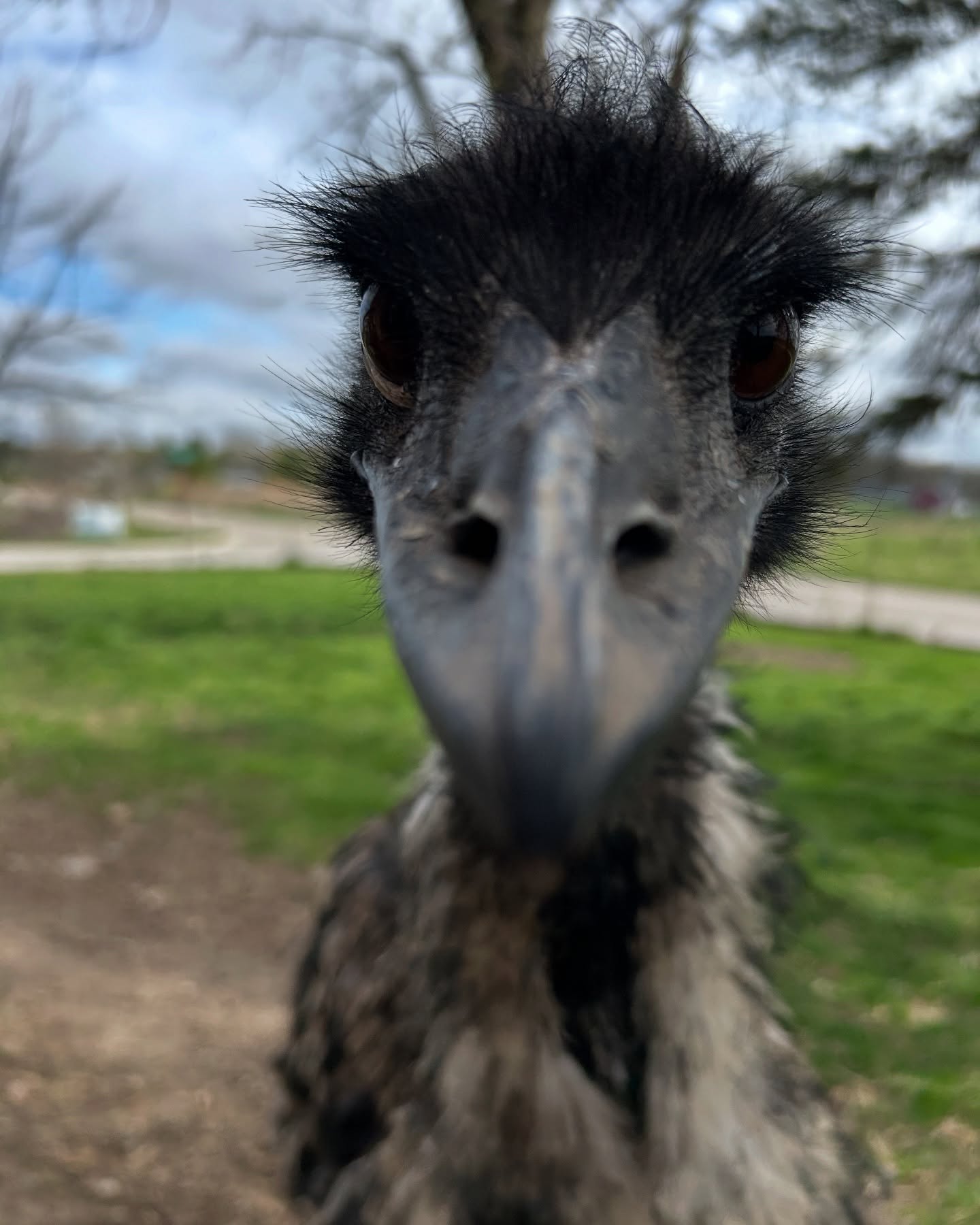
- Brown-gray shaggy feathers; small wings for balance 🎨
- Males incubate eggs and raise chicks 🥚
- Omnivorous: seeds, fruits, insects, vegetation 🌿
- Strong legs with three toes for running & defense
- Excellent swimmers and can survive long periods without water 💧
- Emu oil used in skincare & therapeutic products ✨
🦤 General Facts
- Scientific name: Dromaius novaehollandiae
- Origin: Native to Australia.
- Size: Second-largest bird in the world, 5–6.2 feet tall, weighing 66–121 lbs.
- Lifespan: Typically 10–20 years in the wild; can live longer in captivity.
- Flightless bird with strong legs adapted for running.
🎨 Appearance
- Long neck and legs, brown to gray-brown feathers.
- Small wings, used for balance rather than flying.
- Large, powerful legs with three toes, ideal for running and defense.
- Distinctive shaggy plumage helps regulate body temperature.
🏃 Behavior & Personality
- Fast runners—can reach up to 30 mph (50 km/h).
- Curious and sometimes social, but mostly solitary or in pairs/small groups.
- Males are responsible for incubating eggs and raising chicks.
- Vocalizations include booming, drumming, and grunting sounds.
🍎 Diet
- Omnivorous: seeds, fruits, flowers, insects, small animals, and other vegetation.
- Water sources are important in dry habitats.
🛠 Care Needs
- In captivity, need large open spaces to run.
- Strong fencing is required; emus can jump and run through weak barriers.
- Provide shelter from extreme weather and access to water.
🌟 Fun Facts
- Emus are excellent swimmers.
- They can go for long periods without water in the wild.
- Male emus incubate eggs for 8–9 weeks without eating much.
- Emu oil is commercially used for skincare and therapeutic purposes.
- Unique tracks: three toes leave distinct footprints used for identification in the wild.